


moosie_moose
March 26, 2022
Equal parts excellent and odd
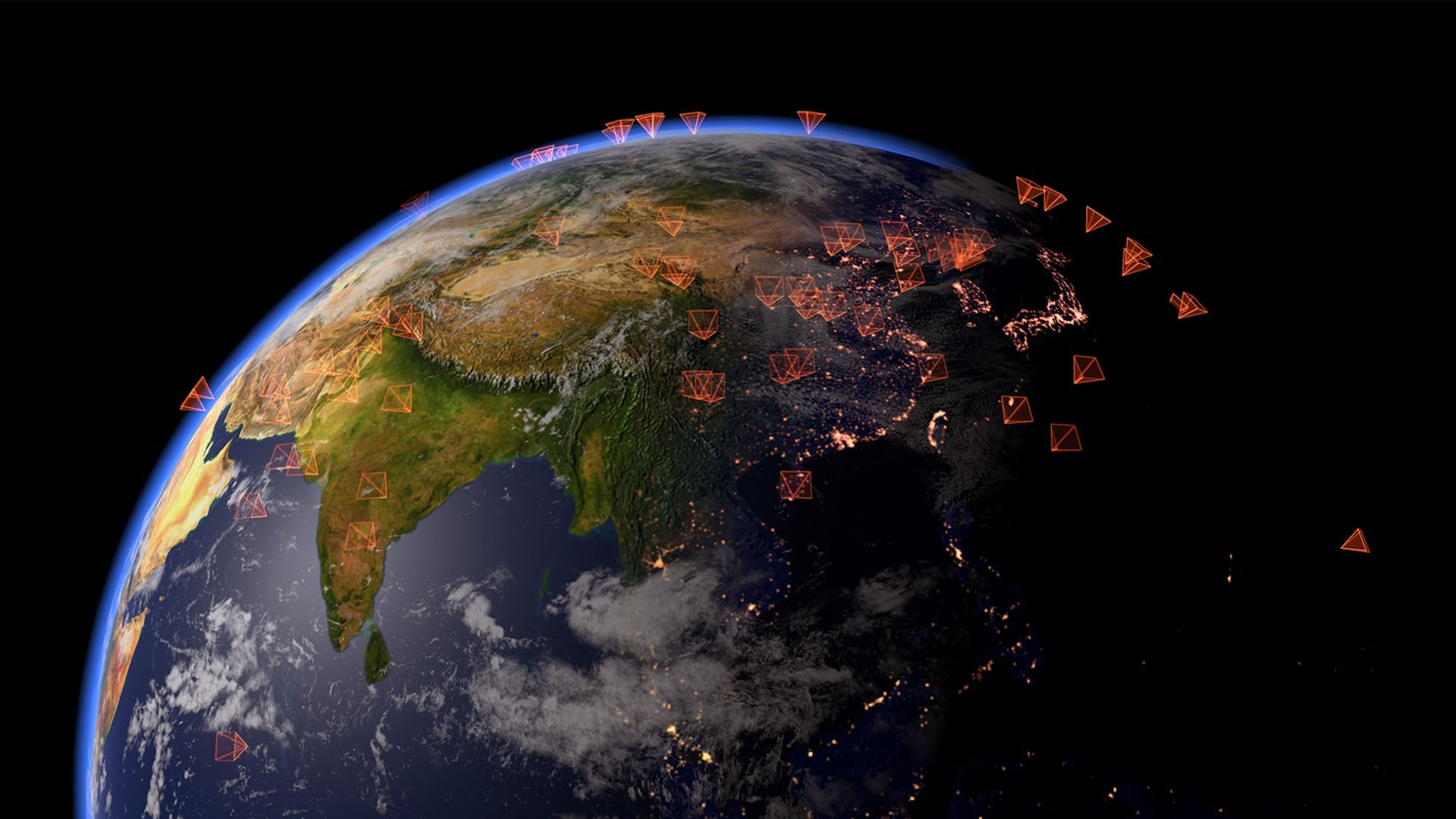
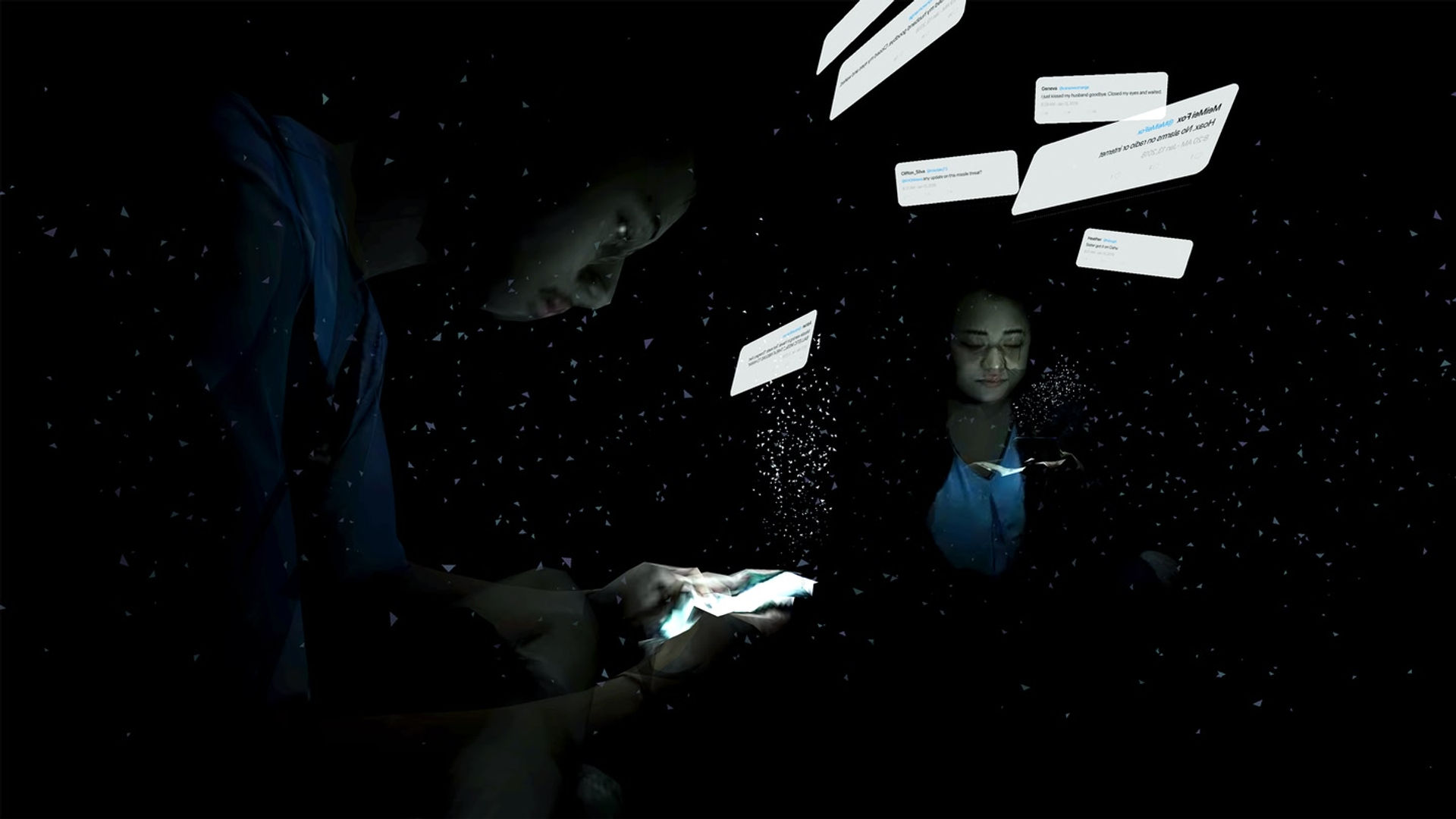
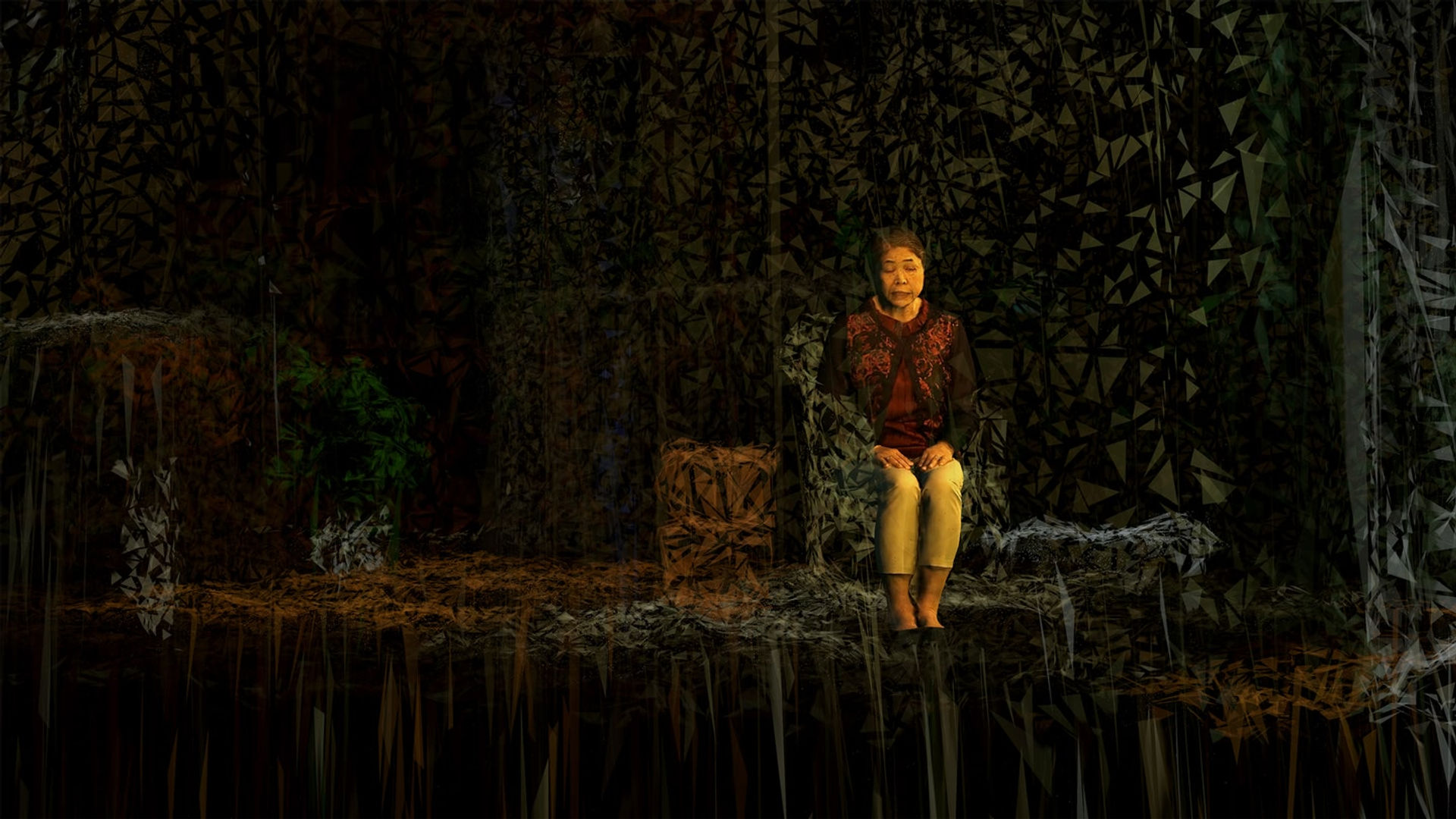
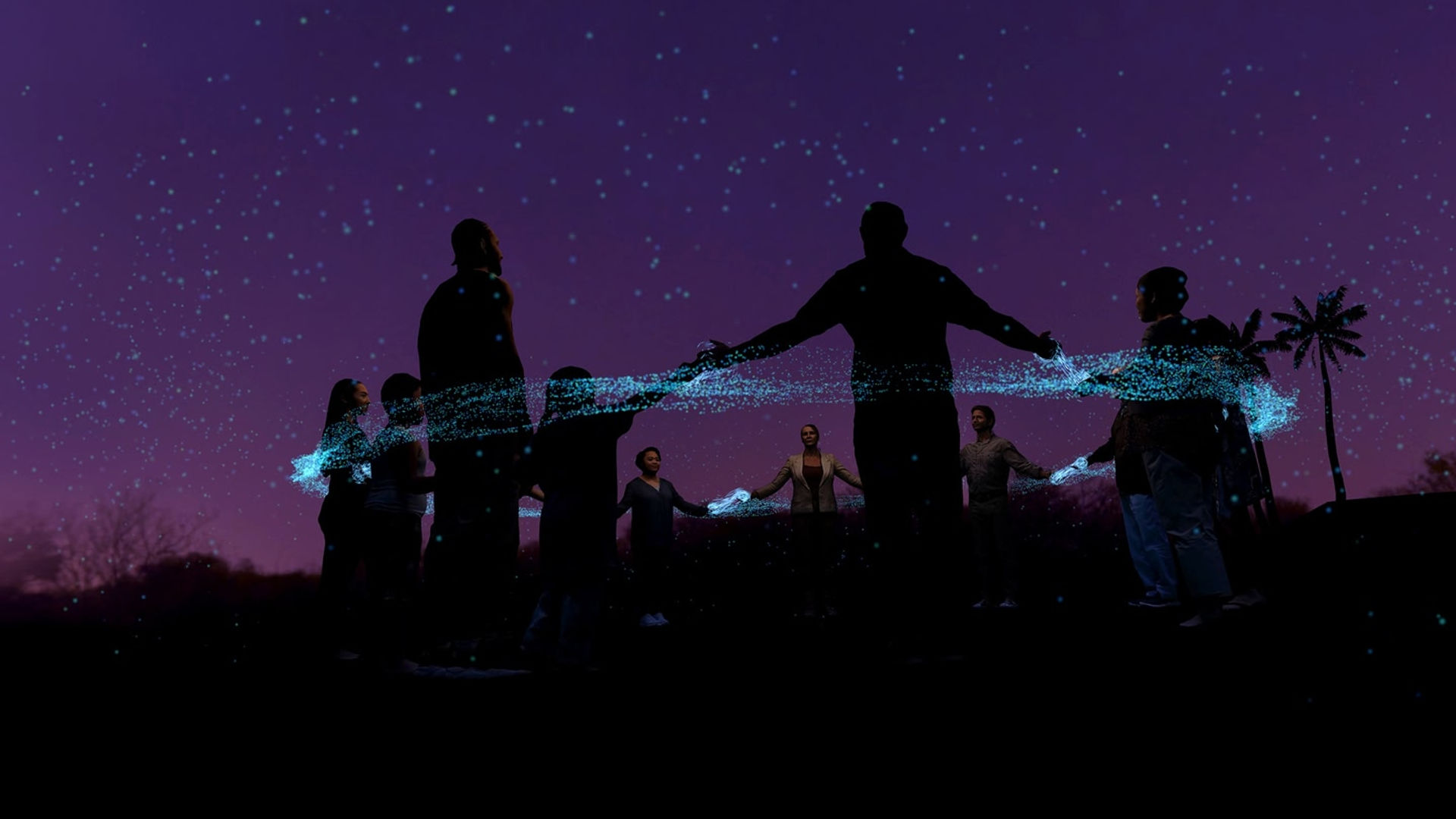
First of all, I’m very glad this exists, and I’m very glad that I watched it. This is a short documentary about the emotional climate the morning of the false Hawaii missile attack notification. I’m In terms of humanizing the fear of that morning and putting it into emotional/personal context, the documentary succeeds spectacularly. I don’t often tear up but I nearly teared up seeing the accounts from families and people on Hawaii that morning, and the VR aspect really helped me contextualize the panic and fear of that day on a human level. The production quality and art design is outstanding. What was odd, though, is how it never turns the corner from that, or attempts to educate about the logistics of the nuclear problem from a broader vantage point. All the tools were in place: the visual intimacy, the emotional buildup, and everything else. But except for briefly touching on our global “doomsday machine,” there is very little education or rational dialogue about the history and scope of the problem as a whole. It feels like they gave us the first 20 minutes of an amazing documentary, then stopped suddenly before the main documentary takes off. Even in terms of the Hawaii event itself, there is almost nothing to explain the context of how and why this happened; instead, it is dismissed as a “mistake,” where it’s less important to figure out what went wrong than to grapple with the totality of nuclear weapons. Which is true, I’m not saying it should have been blame-focused. But outside of spoken word poem window dressing, they don’t actually grapple with that totality very much. Overall, there was so much potential here for something truly powerful. I finished what I thought was part 1, then excitedly clicked on part 2 “The Doomsday Machine,” expecting a deep dive into the logistics of the nuclear war machine. However, “part 2” just took you to a third of the way into part 1, and I realized that I had already watched the entire documentary. I’m not trying to disparage something the creators clearly put their heart and soul into. But for all the ways it affected me, the esoteric nature of the “solutions” also struck me as strange. This would be a great tool for educating middle schoolers about the personal toll of a nuclear threat, and again, if you’re just expecting the Hawaii episode and nothing else, it’s pretty spectacular. But the rest of it is vague sentiment about “community” and “opening dialogue and learning to feel beyond the individual,” which is sort of the metaphorical equivalent to being told to hide behind a desk during a nuclear blast. The VR medium would have been an incredible tool to illustrate the global, citywide toll of a nuclear war and fallout, and while they spend 5 brief minutes going over it, that section could have easily been a half hour, because there was so much potential for so much more. Ultimately, while it clearly meant to end on a note of solidarity and purpose, what it made me feel at the end was a sense of vague hand-holding emptiness, like at the end of a true crime documentary when they never catch the serial killer but “all the victims have started a Facebook group, where they are able to share their stories and maybe, just maybe, re-form a sense of community.” There are no easy problems to the nuclear crisis. That’s sort of the point. But I would love to see a sequel, where they actually dive into the totality of this incredibly nuanced war machine, and I would pay to watch it. Four stars, again I’m very glad it was made.
105 found this helpful