
On The Morning You Wake (To the End of The World)

About

Release date

March 24, 2022

Publisher

ARTE France

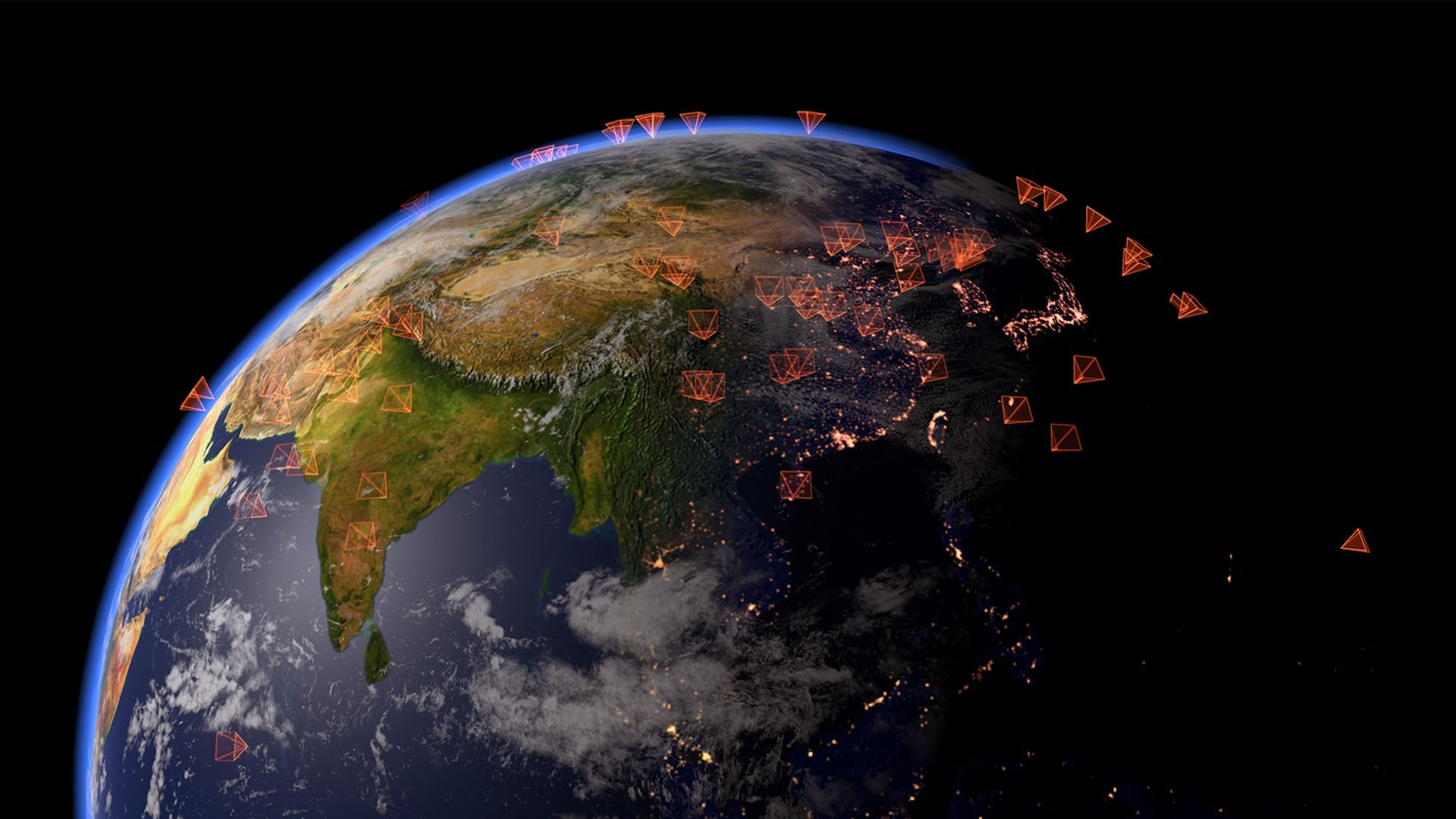
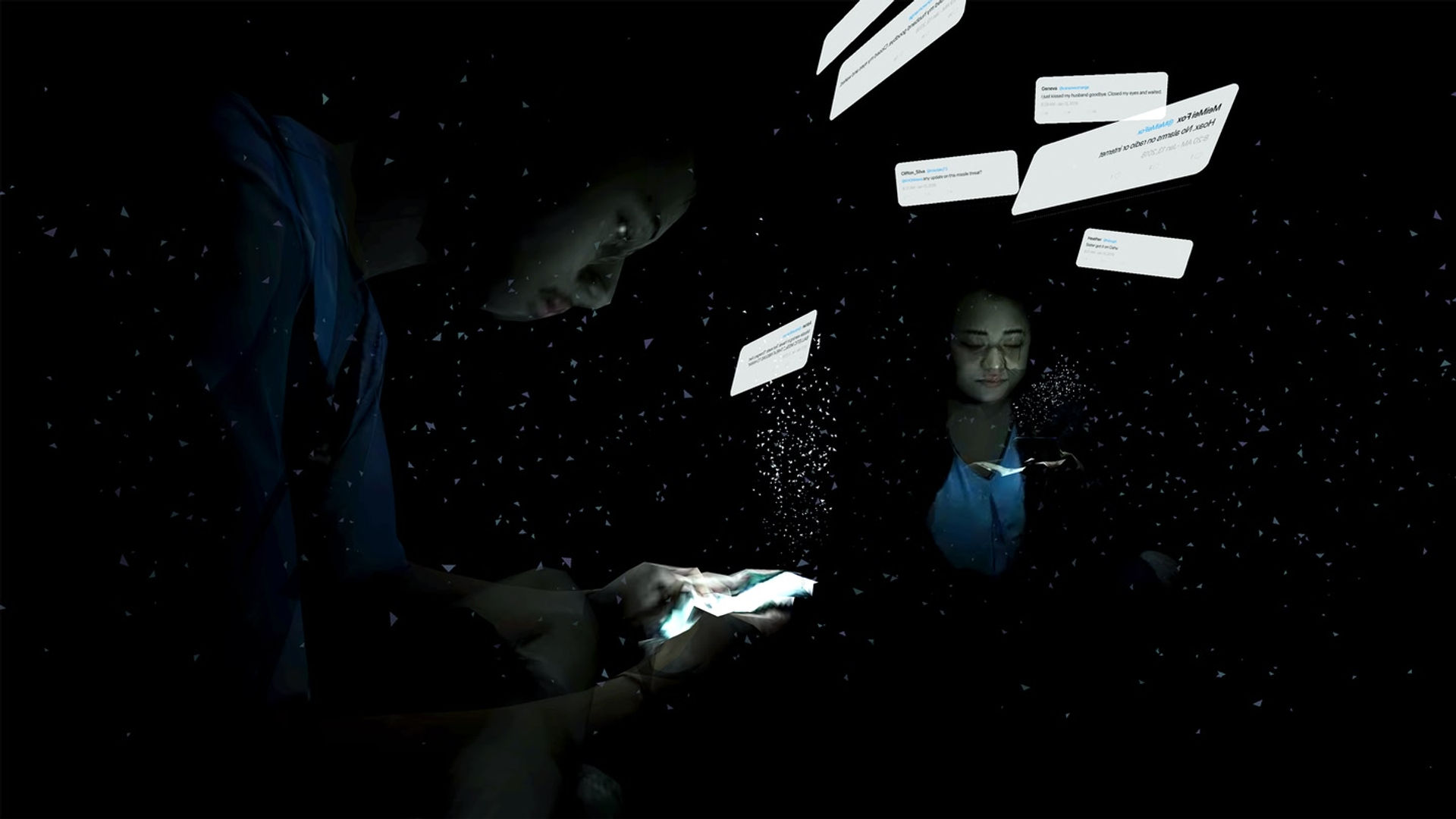
On January 13th 2018, 1.4m people across Hawai’i received an SMS from the state’s Emergency Management Agency:

BALLISTIC MISSILE THREAT INBOUND TO HAWAII. SEEK IMMEDIATE SHELTER. THIS IS NOT A DRILL.

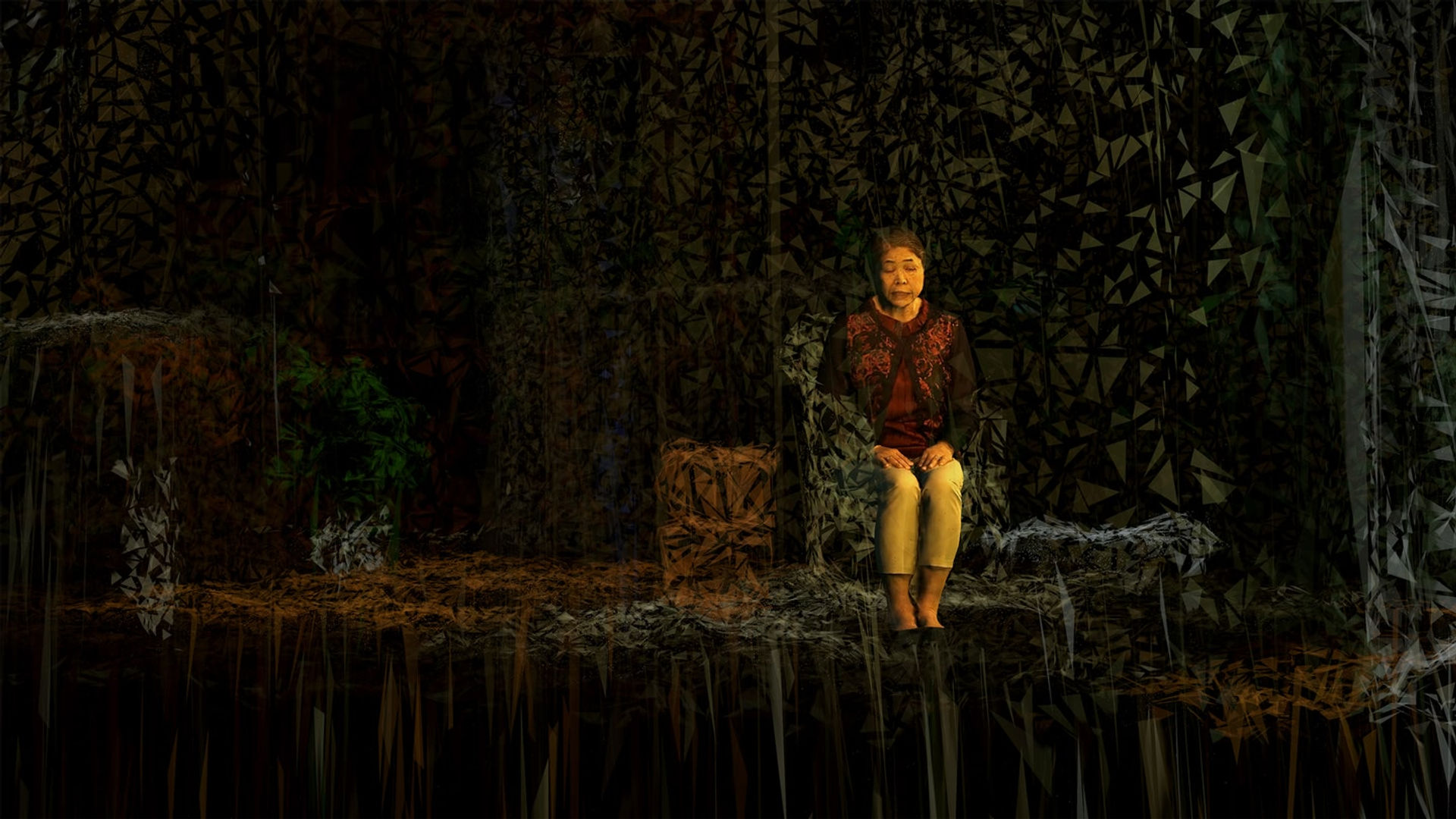
In the minutes that followed, they were forced to confront existential questions that had been unthinkable just moments before: where could they go for shelter? What would remain of their communities if they survived a nuclear blast? How could they explain to their children why we live in a world where such unimaginable destruction was possible? And how could their own Government continue to pursue nuclear policies that threaten the entire global population every day?

By the time FEMA managed to retract the incorrect warning message, it was too late to pretend that normality would resume. Their collective experience had laid bare the growing threat that nuclear weapons pose to the world. In the words of Kauai resident Cynthia Lazaroff, ‘Nothing happened, but everything changed’.

Show more Show less

Supported platforms

Additional details

Ratings & reviews

4.25

309 ratings

Oculus rating

Player reviews

moosie_moose

March 26, 2022

4/5

Equal parts excellent and odd

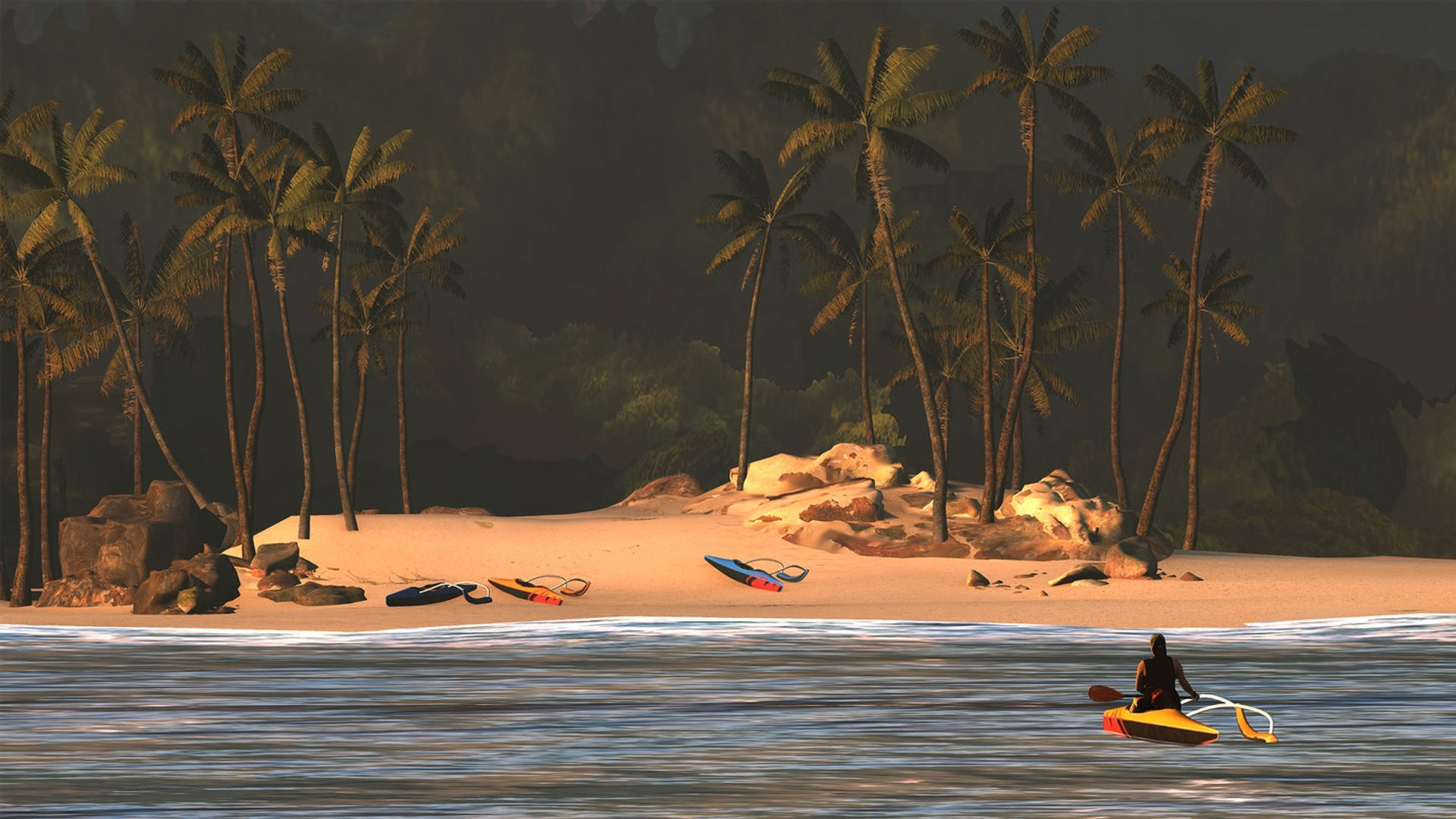
First of all, I’m very glad this exists, and I’m very glad that I watched it. This is a short documentary about the emotional climate the morning of the false Hawaii missile attack notification. I’m In terms of humanizing the fear of that morning and putting it into emotional/personal context, the documentary succeeds spectacularly. I don’t often tear up but I nearly teared up seeing the accounts from families and people on Hawaii that morning, and the VR aspect really helped me contextualize the panic and fear of that day on a human level. The production quality and art design is outstanding. What was odd, though, is how it never turns the corner from that, or attempts to educate about the logistics of the nuclear problem from a broader vantage point. All the tools were in place: the visual intimacy, the emotional buildup, and everything else. But except for briefly touching on our global “doomsday machine,” there is very little education or rational dialogue about the history and scope of the problem as a whole. It feels like they gave us the first 20 minutes of an amazing documentary, then stopped suddenly before the main documentary takes off. Even in terms of the Hawaii event itself, there is almost nothing to explain the context of how and why this happened; instead, it is dismissed as a “mistake,” where it’s less important to figure out what went wrong than to grapple with the totality of nuclear weapons. Which is true, I’m not saying it should have been blame-focused. But outside of spoken word poem window dressing, they don’t actually grapple with that totality very much. Overall, there was so much potential here for something truly powerful. I finished what I thought was part 1, then excitedly clicked on part 2 “The Doomsday Machine,” expecting a deep dive into the logistics of the nuclear war machine. However, “part 2” just took you to a third of the way into part 1, and I realized that I had already watched the entire documentary. I’m not trying to disparage something the creators clearly put their heart and soul into. But for all the ways it affected me, the esoteric nature of the “solutions” also struck me as strange. This would be a great tool for educating middle schoolers about the personal toll of a nuclear threat, and again, if you’re just expecting the Hawaii episode and nothing else, it’s pretty spectacular. But the rest of it is vague sentiment about “community” and “opening dialogue and learning to feel beyond the individual,” which is sort of the metaphorical equivalent to being told to hide behind a desk during a nuclear blast. The VR medium would have been an incredible tool to illustrate the global, citywide toll of a nuclear war and fallout, and while they spend 5 brief minutes going over it, that section could have easily been a half hour, because there was so much potential for so much more. Ultimately, while it clearly meant to end on a note of solidarity and purpose, what it made me feel at the end was a sense of vague hand-holding emptiness, like at the end of a true crime documentary when they never catch the serial killer but “all the victims have started a Facebook group, where they are able to share their stories and maybe, just maybe, re-form a sense of community.” There are no easy problems to the nuclear crisis. That’s sort of the point. But I would love to see a sequel, where they actually dive into the totality of this incredibly nuanced war machine, and I would pay to watch it. Four stars, again I’m very glad it was made.

105 found this helpful
kingjymbo

July 12, 2022

2/5

Eye-opening, moving… racist.

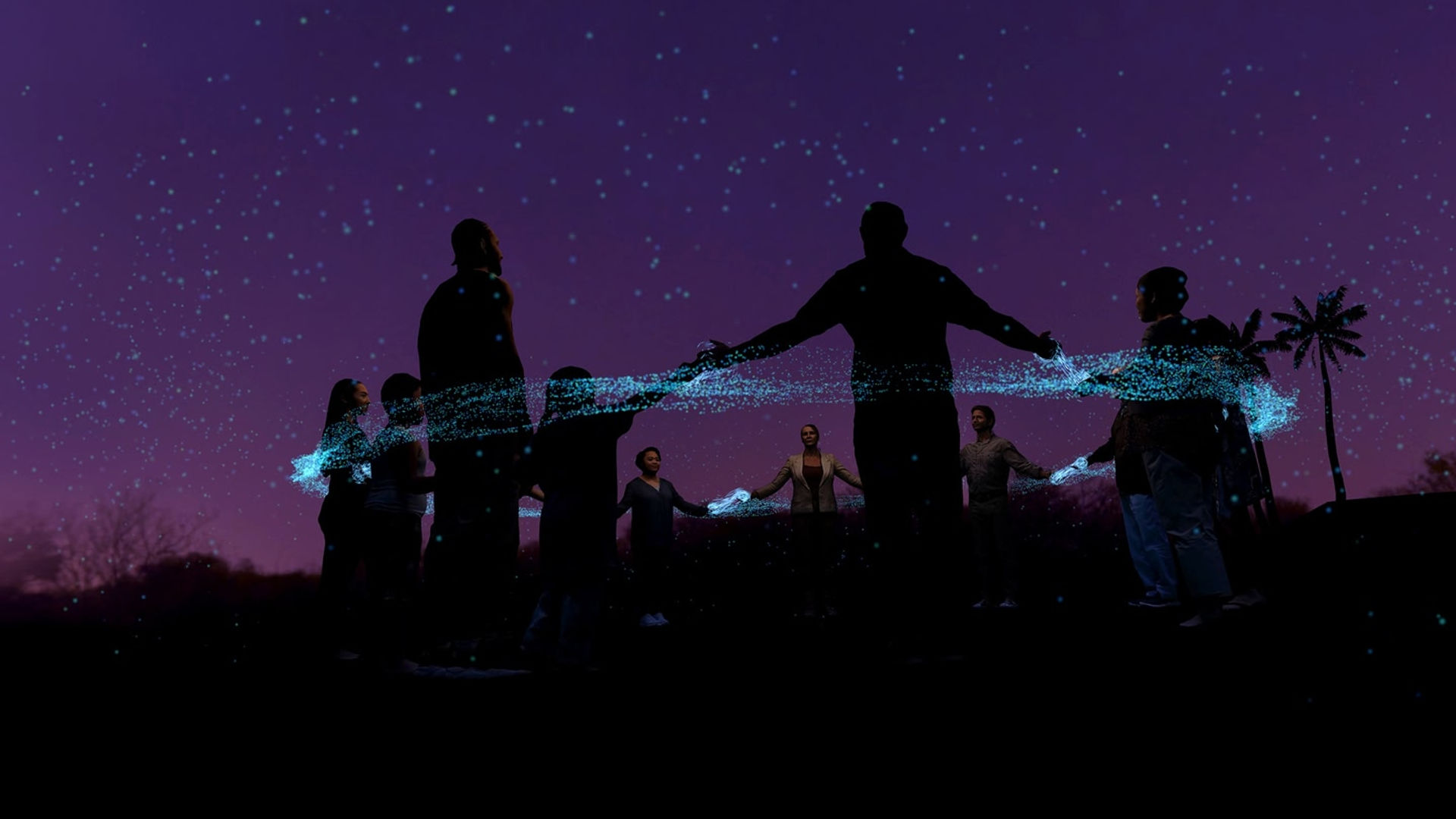
An incredible experience to begin with, looking at a Hawaiian sunset and seeing incredible visuals. There’s no actual interaction in this three-parter besides picking up a virtual cell phone a few times, so it’s a cinematic experience. The first part accurately portrays and covers the fear Hawaii went through receiving the missile strike warning. The second was an advocacy against nuclear weapons and armament. The third part was very short and degenerated into partisan activism, and bugs out after a hand-holding scene into a still image that follows your vision, requiring you to manually close the app to get out. They actually allowed one person to infer in the presentation that we wouldn’t have conflict if non-male, non-white people were making the decisions. I understand there’s going to be bigotry from some of the indigenous people there, but it was deeply unprofessional and offensive to allow it to be aired in this presentation. The message other than the bigotry is positive and it was a beautiful visual experience, but it was promptly deleted after because no one should have to endure or ignore racism to appreciate a product.

99 found this helpful

grubbylocal

March 26, 2022

5/5

15 minutes to live

‘Can we pray, mummy?’. You’ve just been told you have 15 minutes to live. What do you do? That was the real question faced by Hawaiians in 2018 as they woke up to a text message of an incoming ballistic missile attack: ‘This is not a drill’. It took 38 minutes until a false alarm was declared, 38 minutes of panic, chaos and the realisation that you were about to die. Poignantly, it’s also the running time of this extraordinary documentary. The narration is spun through the voices of those directly affected including one survivor of Hiroshima living on the island. The most powerful anti-nuclear film since Threads (BBC 1984). Timely and terrifying.

99 found this helpful

soWa_13

November 11, 2023

5/5

What about russian nuclear alert?

Great story, beautiful visuals, sharp experience, but this is nothing compared to what the Ukrainians experienced on February 24, 2022. as the russians fired missiles at Ukrainian cities, followed by air and ground strikes. The scale of the tragedy cannot be compared with this story. Erased cities, broken destinies, many killed, many captured, torture of dissenters. and putin still has nuclear missiles with which he constantly threatens. But thanks to the support of the EU and USA, Ukraine will survive and return all occupied territories. Thanks to everyone who helps for their support!

46 found this helpful

kabarman66

March 1, 2024

5/5

Words fail...

The message of this film is powerful and important. The execution of the voiceovers/visuals really pulls you in. I might offer some advice for people thinking about watching this; one part in particular where certain events in 1945 are brought up, there is some truly haunting imagery put RIGHT in your face. They didn't hold back and although I was shocked and horrified I have to admit it worked, and affected me in a deeper way than a normal documentary could. I will definitely remember this one.

43 found this helpful

Show all reviews on Meta

Related games

Discover

Browse

Blog